
Shopify Plus vs. Salesforce Commerce Cloud
For most brands evaluating Salesforce Commerce Cloud, Shopify Plus is the better fit: no GMV-based fee, a far larger app ecosystem, and an admin merchandisers run without developer tickets. SFCC still makes sense for enterprises built deep into Salesforce with an SFCC engineering team to match.
Salesforce Commerce Cloud (SFCC) is powerful, but most brands don't need its complexity. They're paying for it. Between GMV-based pricing, cartridge dev cycles, and long implementations, SFCC has become hard to justify. Shopify Plus offers the same enterprise capability with a fraction of the cost, timeline, and operational drag: a user-friendly interface your merchandisers can run without deep technical expertise, native B2B and wholesale to match Commerce Cloud B2B, and a 10,000+ third-party app ecosystem for product recommendations, search, and personalization. Brands replatforming from SFCC keep their customer data and integrations intact while launching online stores in weeks, not quarters.
Where each platform is stronger
Shopify Plus
- Significantly lower TCO: flat fee, no per-transaction GMV percentage
- Launches in weeks vs. SFCC's 6–18 month implementation cycles
- Intuitive admin: merchandisers ship work without engineering tickets
- 10,000+ app ecosystem vs. cartridge-only LINK Marketplace
- Shop Pay: the highest-converting checkout available, no custom build required
- Native B2B, wholesale, and multi-market on Plus
Salesforce Commerce Cloud
- Deep native integration if you're already standardized on the Salesforce stack
- Einstein AI bundled in (replicable on Shopify with best-in-class apps)
- Mature multi-site for very large global retailers
Shopify Plus vs. Salesforce Commerce Cloud, feature by feature
| Category | Shopify Plus | Salesforce Commerce Cloud |
|---|---|---|
| Time to LaunchEdge: Shopify Plus | 8–12 weeks typical | 6–18 months typical |
| Total Cost of OwnershipEdge: Shopify Plus | Flat monthly fee, no GMV percentage | 1–3% of GMV + heavy implementation costs |
| CRM IntegrationEdge: Shopify Plus | Native + first-class connectors to HubSpot, Klaviyo, Salesforce | Native Salesforce only, which locks you into the stack |
| PersonalizationEdge: Shopify Plus | Best-of-breed: Nosto, Rebuy, Klaviyo, Shopify Audiences | Einstein AI, bundled but harder to extend |
| Developer ExperienceEdge: Shopify Plus | Liquid, APIs, Hydrogen/React for headless | Proprietary SFRA framework, steep learning curve, scarce talent |
| App EcosystemEdge: Shopify Plus | 10,000+ apps, one-click install | Cartridge-based, so every integration is a dev project |
| CheckoutEdge: Shopify Plus | Shop Pay, one-page checkout, extensible without custom work | Customizable but complex to modify |
| Multi-SiteEdge: Shopify Plus | Shopify Markets + expansion stores, fast to spin up | Mature multi-site, but operationally heavy |
Which one should you pick?
Shopify Plus is the better platform for the vast majority of brands evaluating SFCC today: lower TCO, faster speed-to-market, a deeper app ecosystem, and a roadmap that actually moves. SFCC only makes sense for a small set of enterprises so deeply embedded in Salesforce that the integration cost outweighs everything else. If you're weighing the move, the real question usually isn't whether Shopify Plus can match SFCC. It's how cleanly you migrate your catalog, customer data, and B2B accounts without losing SEO equity or taking downtime. That's the part we handle end-to-end.
How we migrate Salesforce Commerce Cloud stores to Shopify Plus Scope your migration
Who Shopify Plus suits
DTC, mid-market, and most enterprise brands looking to lower platform costs, ship faster, and operate with leaner teams
Who Salesforce Commerce Cloud suits
A narrow set of enterprises fully committed to the Salesforce ecosystem with dedicated SFCC engineering teams
Stores we moved off Salesforce Commerce Cloud
-
 Salesforce Commerce Cloud → Shopify Plus
AG Jeans
Salesforce Commerce Cloud to Shopify Plus with a full redesign, then a development retainer that has since redesigned the collection pages, product page and navigation.
Read the case study
-
 Salesforce Commerce Cloud → Shopify Plus
Ardbeg
Global Shopify Plus replatform for Moët Hennessy's Ardbeg, off Salesforce Commerce Cloud and rolled out market by market from one shared design system.
Read the case study
-
 a custom platform → Shopify Plus
Great Star Tools
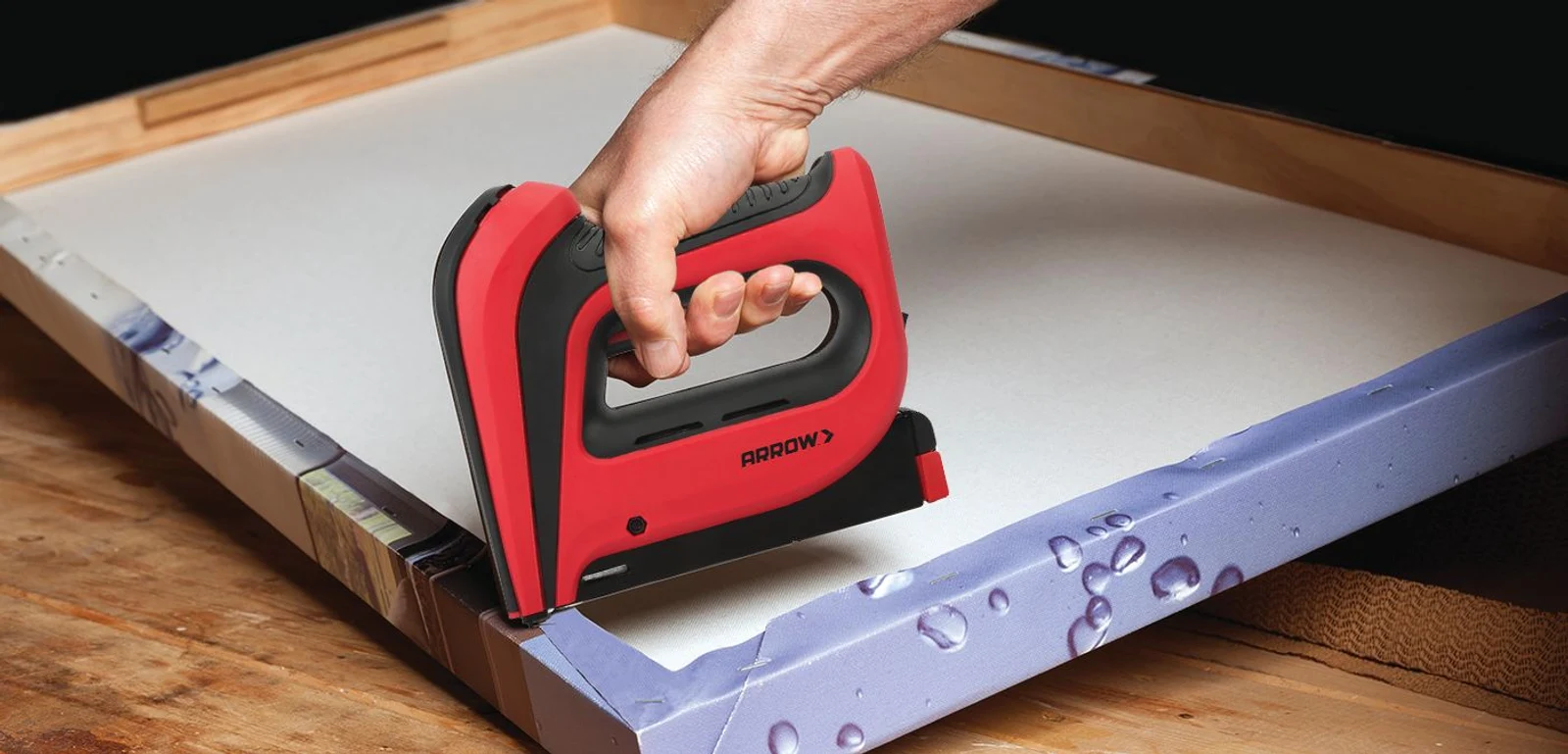
Arrow Fastener and Goldblatt Tools moved onto BigCommerce: two brand storefronts on one stack, with shared search, checkout and product management.
Read the case study
-
 a custom platform → Shopify Plus
J!NX
DYODE moved gamer apparel brand J!NX to Shopify Plus, with a branded header for every game license, and ran its marketing as interim VP.
Read the case study
-
 a custom platform → Shopify Plus
Minecraft Shop
DYODE rebuilt the official Minecraft Shop, run by licensee J!NX, on Shopify Plus with Minecraft.net's look, translation and currency switching.
Read the case study
-
 a third-party operator → Shopify Plus
Hard Tail
DYODE moved Made-in-USA activewear brand Hard Tail off a third-party operator: a Shopify Plus rebuild on Dawn, a new checkout and the handover of its systems.
Read the case study
-
 a custom store → Shopify Plus
686
DYODE moved snowboard outerwear brand 686 off a custom-built store onto Shopify, with tech-spec filters, matched order emails and an SEO and channel plan.
Read the case study
Moving off Salesforce Commerce Cloud: what comes with you
A replatform is five moves done in the right order: catalog, customers, order history, every old URL and the systems behind the store. We plan them before build starts, so launch is a switch, not a scramble.
- WYZEMagento 2 to Shopify Plus, with a beta store launched next to Magento before the full switch.Magento → Shopify Plus
- ArdbegOff Salesforce Commerce Cloud and rolled out market by market.SFCC → Shopify Plus
- SatechiMoved off a headless build to a Shopify Plus theme the team can run.Headless → Shopify Plus theme
Planning a move off Salesforce Commerce Cloud?
Tell us what you run today. A strategist replies within 1–2 business days, and your written estimate usually follows in 1–2 weeks.
Most projects are scoped within 1–2 weeks.