Our founders ran E-Commerce at PacSun and Tilly’s, two apparel chains with stores, an ERP, a POS and a holiday calendar that doesn’t move. Since 2016 we’ve built and grown stores for 200+ brands. These are the six categories we know best.
Apparel breaks at the store counter. Spirits break at the state line.
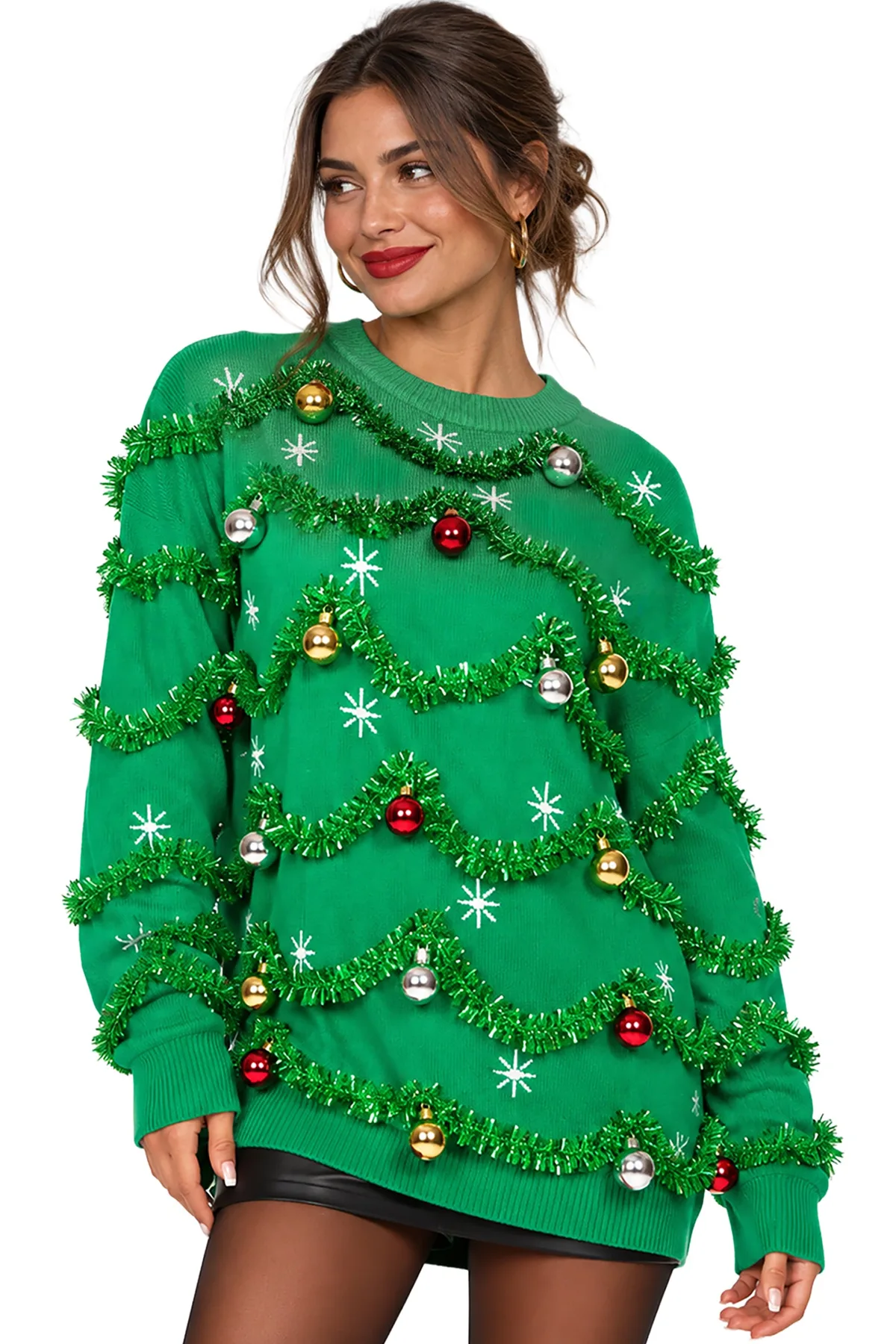
Apparel · sound familiar?
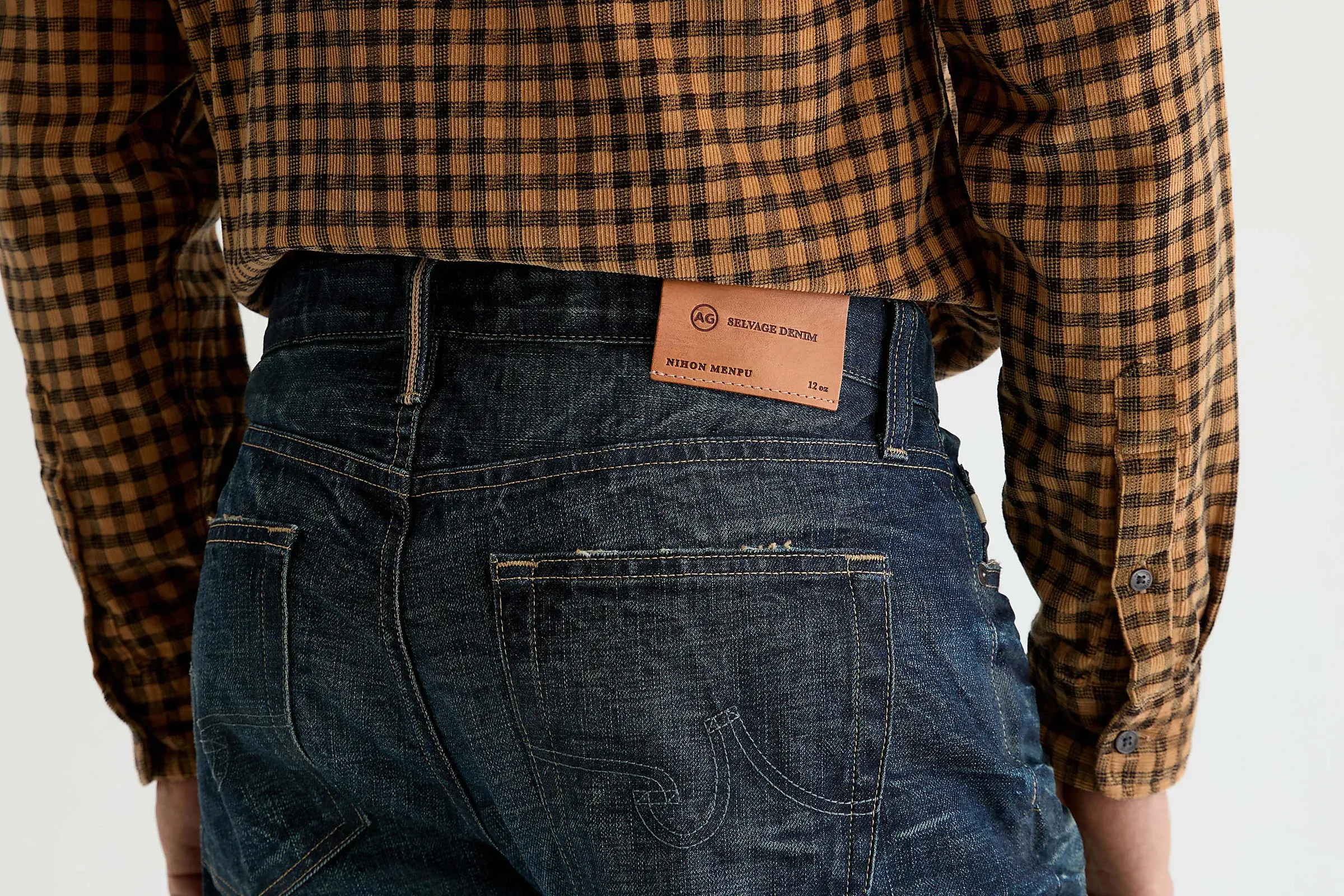
Too many returns say “wrong size,” and the product page sells one piece instead of the look.
This is the category we ran. PacSun and Tilly’s are apparel chains. Sizing, drops, returns and stores that agree with the site were our job before they were ever a client’s.
What apparel brands usually run
Fit tools
Quizzes and size guides built on how customers say things fit.
Email & SMS
Segments by purchase and product, timed to each drop.
Our stores, our warehouse and the site each show a different count, and nobody can say which one is right.
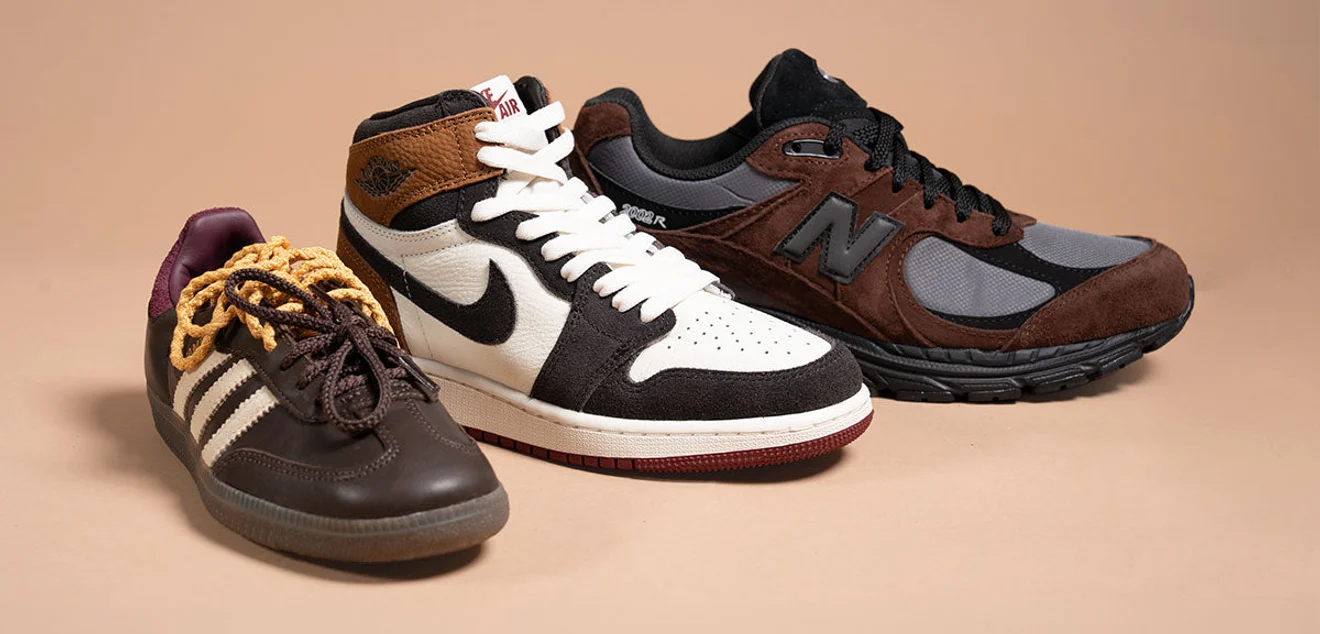
Stock sits in more places than the site knows. Stores, warehouses and several regions each hold some of the same sizes, and a missing size is a lost sale. Footwear E-Commerce is largely about making those counts agree.
What footwear brands usually run
ERP
Your ERP as the source of truth for styles, sizes and UPCs, feeding one catalog.
Store stock
Store inventory that can sell online, with a check before the order is filled.
Multi-region
Local currencies and languages from one store with Shopify Markets.
Our dealers need their own prices and a PO checkout, and NetSuite has to see every order.
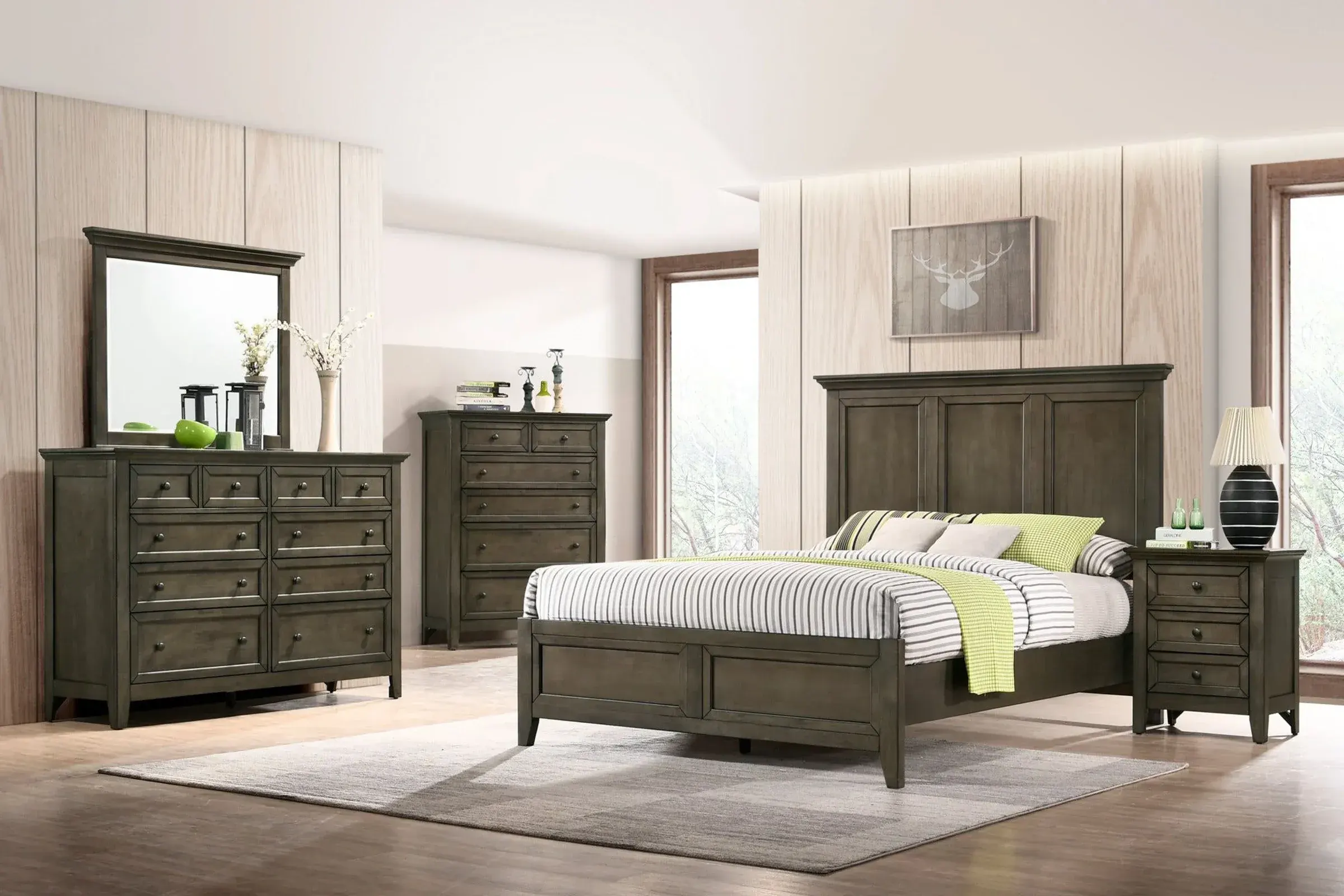
Two stores in one. Consumers buy with a card. Dealers buy on terms, at their tier, from stock the public can’t see. Electronics and entertainment brands add a second problem: one company, several storefronts.
What consumer goods brands usually run
ERP
NetSuite or similar, with inventory across locations.
B2B pricing
Tiered dealer price lists, PO checkout, hidden inventory.
Dealer onboarding
A way for new dealers to apply and get approved.
Multi-storefront
Several brand, franchise or country sites on one back end.
Nobody gets the product from a photo, and our shades and bundles fall apart on a phone.
Beauty sells on explanation. The product page has to do what a counter associate would: show the result, name the ingredients, and get the shade right on a small screen.
What beauty brands usually run
Subscriptions
Recharge or similar, with the offer on the product page.
Email & SMS
Klaviyo replenishment and win-back flows.
Shades & bundles
Selectors, kits and bundle builders that work mobile-first.
Accessibility
Themes held to ADA requirements, tested every release.
Before DYODE we ran E-Commerce at PacSun and Tilly’s. We hired a lot of agencies in those jobs. Too many didn’t get it, nickel-and-dimed us, and never acted like a real growth partner. So we built something different.
DYODE’s founders, former heads of E-Commerce at PacSun and Tilly’s.
We don’t hide our developers and designers
You can talk to the people designing and building your store, not a ticket queue.
The founders stay involved
Both founders stay involved with every client. You get direct access to 20+ years as E-Commerce executives.
A U.S.-based team that stays
Most have been with us for years. The people who learn your store keep working on it.
Our prices are published
Projects from $25K at $150/hr. Retainers at $150/hr with a 3-month minimum. Fixed-price packages from $1,750.
These six are where most of our case studies sit, not a fence. If you sell online and your category isn’t listed, the work is much the same. Tell us what you sell.
FAQ
What category leaders ask us
Do you only work in these six categories?
No. Apparel, footwear, consumer goods, beauty, food and beverage, and home and furniture are where most of our case studies sit, but the integration work carries across categories. We work best with brands doing $10M+ a year online.
Can you connect our ERP, POS, OMS, PIM or 3PL?
Yes, when a build or migration needs it. We keep your store connected to the systems it already runs on, usually through a connector like Celigo. That includes multi-location inventory running through an ERP like NetSuite.
How long does a Shopify Plus migration take?
A typical Shopify Plus migration takes 3–6 months. It depends on the platform you’re leaving, a pre-built theme or a fully custom design, whether integrations can use a connector or need custom work, and how many apps you run. You get a written timeline in the scope.
Can you handle alcohol compliance?
Yes. We route U.S. alcohol orders through licensed retailers like ReserveBar, run other countries on Shopify Markets, and launch one market at a time with region-specific age gates in each.
Who will we actually work with?
Both founders stay involved with every client, and we don’t hide our developers and designers. You can talk to the people designing and building your store. Our team is based in the U.S., and most have been with us for years.